

Show don’t tell is a phrase authors and writers hear constantly. Whether it’s from writing coaches or reviewers, it’s almost always at the forefront of any analysis of writing. What does that phrase even mean though?
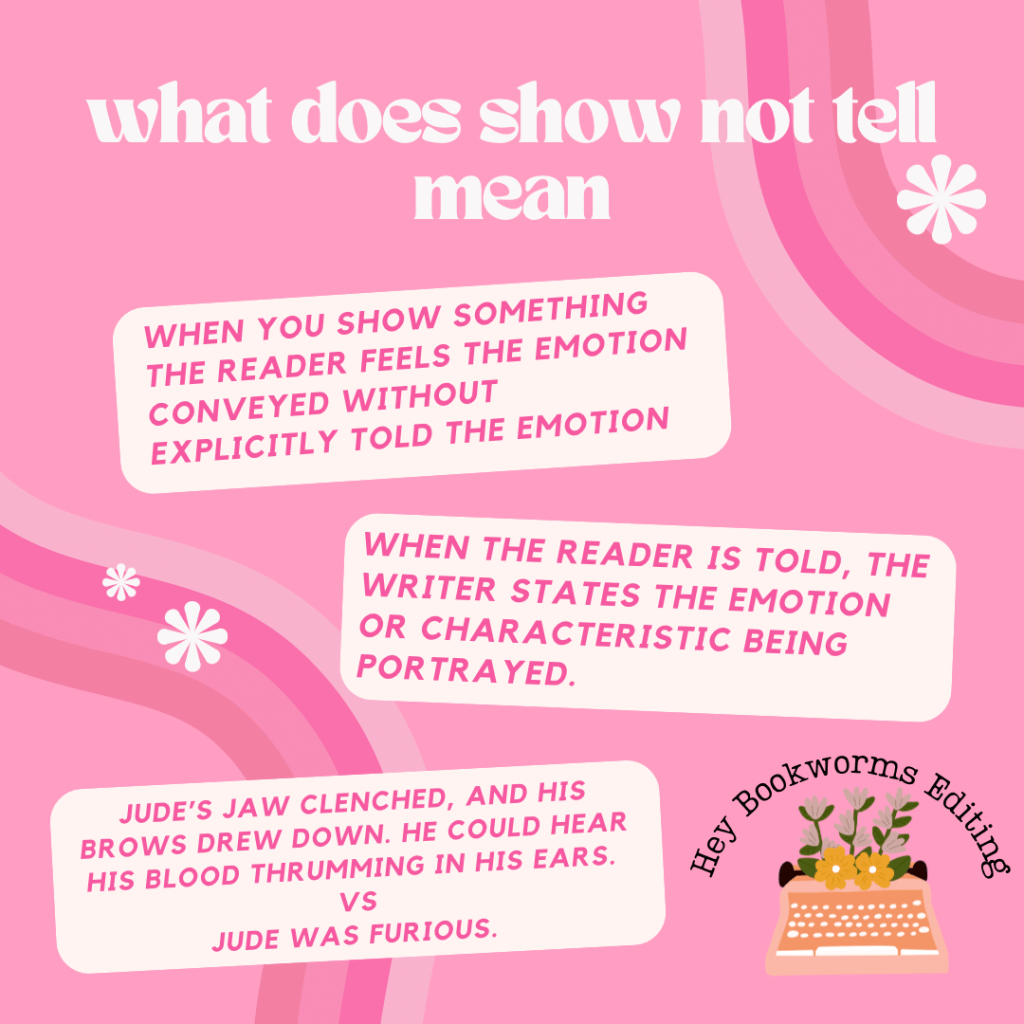
Showing your reader involves putting the reader into the situation. The author describes feelings, sounds, sights. The author effectively plays to all of the reader’s senses. When telling is involved, the author will state exactly what is being conveyed.
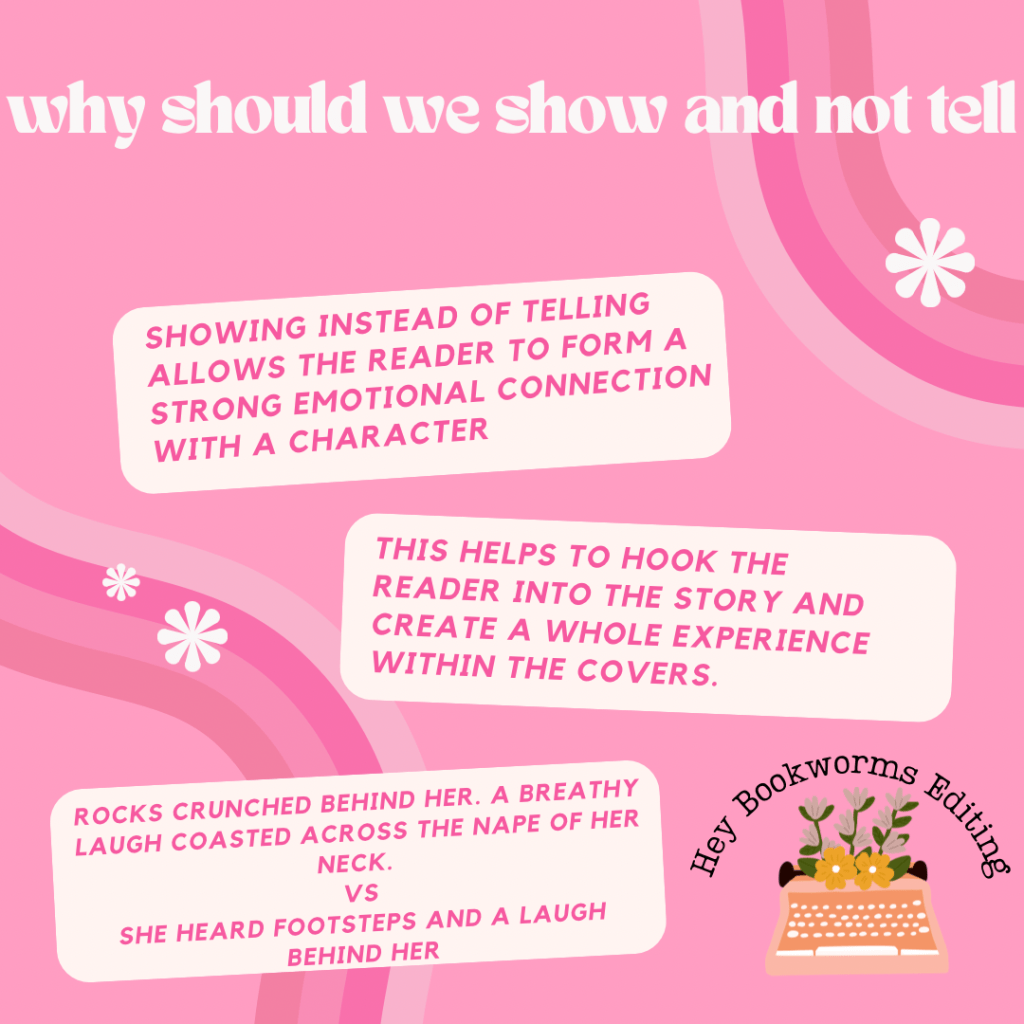
When the author shows instead of tells, the reader feels what is happening. The reader is able to come to the correct conclusion of the emotion being felt by the character or the idea being portrayed. In the above example, a thriller author is going to have a better chance of creating that eerie setting and feeling with the first description. The second sentence doesn’t give nearly enough of an emotional connection to it to evoke the chills on the reader’s spine.

Take out those feel words. The “heard,” “smelled,” “tasted,” “saw.” The character is happy, sure, but how can the writer describe that? Did she have tears streaming down her face, her stomach aching from laughing so hard? Did her cheeks feel as though they were ready to split in two from grinning? Was there a lightness in her chest that wasn’t there before?
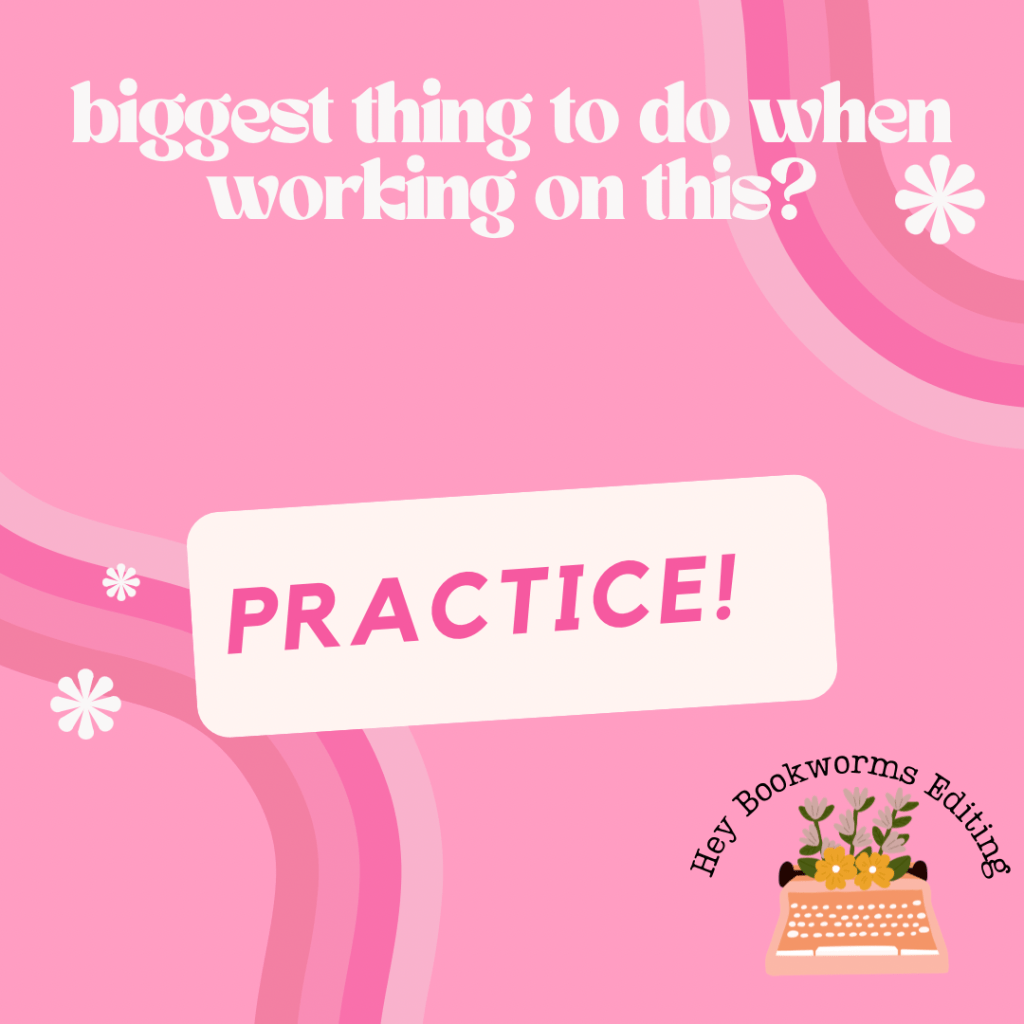
Choose an emotion or a scene and write! Go back and look to see how many of those feeling type words are used and then rewrite those bits.
A fun exercise I like is to select a scene from your favorite movie or show and try to write it out. Convey all the emotions and feelings without just simply stating what they’re experiencing.
Happy writing!
Discover more from Hey Bookworms Editing
Subscribe to get the latest posts sent to your email.

 Hey Bookworms Editing
1 thought on “Why it’s so important to show and not tell”