Editing

How Acorns Investing App Helps Freelance Editors Plan for the Future

As a freelance novel editor, I know the importance of focusing on the finer details. Whether it’s a character arc or ensuring continuity across multiple chapters, every small effort builds toward the larger goal: a polished, compelling novel. In a similar way, small, consistent actions can have a big impact on personal finances. Enter the Acorns investing app—a tool designed for those of us who might not have a finance degree but want to secure a more stable financial future.

What is Acorns?

Acorns is a micro-investing app that allows you to invest spare change by rounding up everyday purchases to the nearest dollar. Imagine paying $2.50 for your coffee, and Acorns takes the extra $0.50, investing it into a diversified portfolio on your behalf. It’s effortless, automated, and beginner-friendly—perfect for busy freelancers like me.

How Editing and Investing Are Alike

The similarities between editing and investing through Acorns are surprising. Here are a few ways that both my work and Acorns follow the same principles:

1. Small Changes Make a Big Difference

When editing a novel, it’s the subtle shifts in tone, the slight tweaks to dialogue, and the adjustment of pacing that can turn a good story into a great one. Similarly, with Acorns, those tiny spare-change roundups—insignificant on their own—grow over time into something substantial. Consistency is key. In editing, just like in investing, it’s about focusing on the long-term result.

2. Automated Processes Save Time

Just like a well-organized editorial schedule saves me time and energy, Acorns’ automation does the same for investing. The app handles everything, from pulling funds to choosing a portfolio, allowing me to focus on what I love—helping authors perfect their stories—while my money grows quietly in the background.

3. Investing in the Future

Editing a manuscript is an investment of time and effort that ultimately pays off when the novel is ready for publication. Similarly, using Acorns is an investment in my financial future. I might not always have the stability of a 9-to-5 job or a steady paycheck as a freelancer, but with tools like Acorns, I’m creating a safety net that grows as I continue to work and grow my business.

Why Freelancers Should Consider Acorns

Freelancing comes with many uncertainties, and for many of us, retirement planning is a distant afterthought. Acorns makes it easy to invest without requiring large sums of money upfront. For someone like me who juggles multiple projects, clients, and deadlines, the app simplifies investing in a way that fits naturally into my work life.

By making small, consistent investments, freelancers can build financial security over time—just like crafting the perfect plot or helping characters come to life. Acorns is more than an app; it’s a tool that empowers freelancers to focus on their work while planning for the future.

Final Thoughts

If you’re a freelance editor, writer, or creative professional, managing both your work and finances can be a challenge. The Acorns app offers a practical, low-maintenance solution to grow your investments. Just like editing, it’s a process of refinement and small, deliberate improvements that lead to long-term rewards. It’s time to invest not only in the stories we help create, but in our own futures as well.


Cheers!

Cayla!

Editing

Crafting Engaging Dialogue: Breathing Life Into Your Characters’ Conversations


Dialogue is one of the most powerful tools a writer has to convey character, advance plot, and immerse readers in the story. But it can also be one of the trickiest elements to master. Stiff, unrealistic dialogue can pull readers out of the narrative, while natural, engaging conversations draw them deeper into your world. Here are some tips to help you create dialogue that feels authentic, dynamic, and compelling.

1. Let Your Characters Speak Like Real People (But Not Exactly)

Real-life conversations are often filled with filler words, tangents, and pauses, but that doesn’t mean your characters should talk like that on the page. Dialogue in fiction should feel natural while still being more polished than everyday speech.

Avoid long-winded exchanges or repetitive phrases that bog down the narrative. Each line should serve a purpose—whether it’s revealing something about a character, building tension, or moving the story forward. But make sure it’s not too perfect; leaving in the occasional “uh” or “well” can add authenticity.

2. Show, Don’t Tell

Dialogue is a great way to show rather than tell your readers what a character is feeling or thinking. Instead of telling readers that a character is angry, let their words reflect that emotion. Short, clipped sentences can show frustration, while rapid-fire exchanges can indicate rising tension. Likewise, a character who stumbles over their words might be nervous or unsure.

Example:

  • Telling: “I’m really mad at you,” John said angrily.
  • Showing: “Oh, so this is what we’re doing now?” John’s voice was sharp, his fingers gripping the table’s edge.

3. Keep It Concise

In real life, we might spend several minutes debating something mundane, but in fiction, you want to avoid lengthy, irrelevant conversations. Your dialogue should get to the point and focus on what matters to the story. Long speeches or overly detailed explanations can lose readers’ interest.

When in doubt, trim the excess. Can you say the same thing with fewer words? Readers will appreciate a brisk pace.

4. Differentiate Your Characters’ Voices

Every character should have a unique voice, and their dialogue should reflect their personality, background, and current emotional state. A college professor might use more complex words, while a teenager might speak more casually. A confident character will sound different from someone who’s shy or insecure.

Listen for individual rhythms, quirks, and styles of speech. Even without dialogue tags, readers should be able to tell who’s speaking based on how they talk.

5. Use Subtext and Implication

Sometimes, the most powerful dialogue is what isn’t said. People rarely speak their minds outright, especially in emotionally charged situations. Let your characters’ words carry deeper meanings, using subtext to imply their true feelings.

Example:

  • Explicit: “I’m sorry I cheated on you. I made a huge mistake.”
  • Subtle: “Look, I never meant for this to happen. You know that, right?”

The second example carries the weight of an apology without saying it outright, leaving room for tension and interpretation.

6. Add Action and Reactions

Dialogue shouldn’t exist in a vacuum. Break up lines with actions or reactions that add texture to the scene. This helps avoid the “talking heads” effect, where it feels like characters are just spouting words without moving or interacting with their environment.

For instance, instead of just having characters exchange words during a heated argument, show their body language: clenched fists, pacing, or looking away. This adds depth to their emotions and the scene.

Example:

  • “Fine, you win,” Sarah muttered, slamming the drawer shut and turning away.

7. Avoid Information Dumps

While dialogue can be a tool for delivering information, be careful not to turn it into an info dump. Characters shouldn’t sound like they’re lecturing or giving the reader a history lesson. If you need to convey a lot of information, break it up with actions, inner thoughts, or let the reader discover some of the details naturally as the story progresses.

Final Thoughts

Engaging dialogue draws readers into your story, makes characters feel real, and keeps the narrative flowing smoothly. By using dialogue to show emotions, reveal character traits, and advance the plot, you’ll create conversations that your readers won’t want to skip.

Remember, I’m a professional copy editor and proofreader that is happy to help with any of your manuscript needs!


What challenges do you face when writing dialogue? Share your experiences in the comments—I’d love to hear what strategies work for you!

Cheers!

Editing

The Art of Character Development: Tips for Creating Real and Relatable Characters

Character development is at the heart of any compelling fiction. Readers connect with stories through characters, so crafting relatable and well-rounded individuals is essential. Here are some tips to enhance your character development process.

1. Start with a Strong Foundation: Create detailed character profiles that include background, motivations, and desires. This foundational work informs their decisions and reactions throughout the story.

2. Show Growth and Change: Dynamic characters evolve over the course of the narrative. Allow them to learn from experiences, face challenges, and ultimately transform, making their journeys more engaging.

3. Use Flaws to Build Depth: Perfect characters can feel unrealistic. Give your characters flaws or insecurities that make them relatable and human. This complexity adds richness to their personalities.

4. Establish Clear Motivations: Understand what drives your characters. Whether it’s love, revenge, or a quest for knowledge, clear motivations guide their actions and decisions, creating a believable arc.

5. Create Diverse Relationships: Characters are often defined by their interactions with others. Develop relationships that reveal different facets of their personality, from friendships to rivalries.

6. Utilize Dialogue Effectively: Authentic dialogue can bring characters to life. Pay attention to their unique voices and ensure their speech patterns reflect their backgrounds and personalities.

7. Show, Don’t Tell: Rather than explicitly stating a character’s traits, illustrate them through actions, decisions, and interactions. This approach allows readers to infer and engage more deeply with the character.

8. Use Backstory Wisely: While backstory is important, reveal it gradually. Integrate it organically into the narrative to maintain pacing and keep the reader’s interest.

9. Avoid Stereotypes: Strive for originality by avoiding clichés. Give your characters unique traits, backgrounds, and experiences that set them apart.

10. Solicit Feedback: Don’t hesitate to share your characters with trusted peers. Their insights can help you refine character traits and ensure they resonate with readers.

By focusing on these aspects, you can create characters that not only drive your story but also linger in readers’ minds long after they’ve finished the book. Ultimately, well-developed characters are the key to crafting unforgettable fiction.

Cheers!

Book Reviews

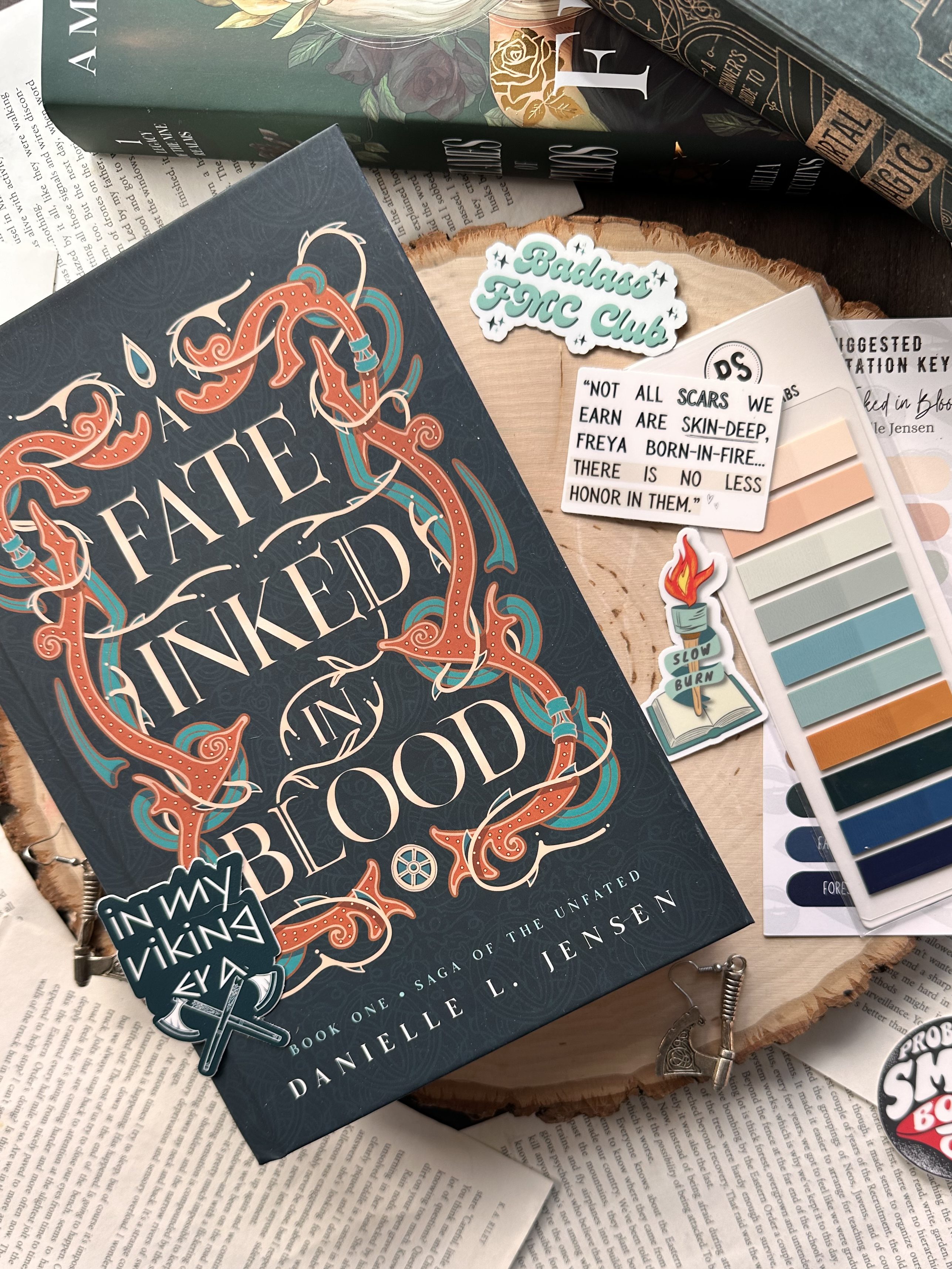
Intense Nordic Tale: Freya’s Transformation and Bjorn’s Love | Review

Rating: ★★★★★
Spice: 🌶️🌶️

This one deserves all the stars. I adored every minute of this. For some reason, Vikings are one of my favorites to read about. The ferocity of everything they do makes things so much more intense. Be that their love, their fighting, literally just their existing.

Freya is one part badass, one part impulsive, another part loyal, and yet still one more part endearing. Bjorn is one spicy, fiery, sweet, and caring Viking that has raided my shores for my heart. Okay, that was cheesy. But still, he’s a top notch book boyfriend.

It is hard to keep one’s wits when faced with a woman as beautiful as the sight of shore to a man who has been lost at sea.

Bjorn is hilariously poetic even when he does not mean to be, but the above quote is by fat one of the sweetest things I think he tells Freya.

I love the growth that Freya goes through in this, and it’s been awhile since I read a book that didn’t have a POV in the male lead’s eyes. However, it was actually refreshing to not immediately have answers to what was happening in Bjorn’s head. Danielle really takes us on a journey through this and not just across the map of Skaland. We see Freya go from beaten and downtrodden to finding her voice to questioning her voice to really leaning into the emotions she feels.

I will be anxiously waiting for the next installment of the Saga of the Unfated because I feel as though I’ve been left in an icy fjord waiting for a drakkar to come pick me up.

Have you read this one yet? How did you feel about Freya, Snorri, Bjorn, and Ylva? If you haven’t read this one yet, have you read any other Nordic/Viking books?

Cheers and happy reading!

Editing

First impressions matter

The Power of First Impressions: Why Fiction Copy Editing is Essential

When it comes to writing fiction, the old saying “You never get a second chance to make a first impression” couldn’t be truer. In the world of storytelling, that first impression can make or break your reader’s experience, and that’s where the magic of fiction copy editing comes into play.

Imagine your manuscript as a meticulously crafted gem. The story you’ve poured your heart and soul into deserves to shine in its purest form. But even the most dazzling gems need a skilled jeweler to cut, polish, and bring out their brilliance. This is precisely what fiction copy editing does for your manuscript—it’s the polishing touch that ensures your story sparkles with precision and clarity.

Why First Impressions Matter

In fiction, the first few pages are crucial. They’re your chance to hook the reader, draw them into your world, and make them fall in love with your characters and plot. A gripping opening can set the tone for the entire story, while a lackluster start might prompt readers to move on to the next book.

First impressions extend beyond just the initial pages. They also encompass how your characters are introduced, how the dialogue flows, and how the plot unfolds. All these elements need to be fine-tuned to engage your audience right from the get-go.

The Role of Fiction Copy Editing

Fiction copy editing is more than just a spelling and grammar check. It’s about enhancing the rhythm of your narrative, ensuring consistency in your plot and characters, and refining the dialogue to make it punchy and authentic. Good editors will:

  1. Polish Your Prose: They’ll help eliminate awkward phrasing and ensure your writing flows smoothly, making it easier for readers to get lost in your story.
  2. Sharpen Your Characters: Editors will work to ensure your characters are well-developed and consistent, helping them to leap off the page and into your readers’ imaginations.
  3. Tighten Your Plot: They’ll identify any plot holes or pacing issues, making sure your story progresses in a way that keeps readers eagerly turning the pages.
  4. Enhance Dialogue: Dialogue should sound natural and serve a purpose. Editors will help refine your characters’ conversations, making them realistic and impactful.

The Editing Process as a Partnership

Think of fiction copy editing as a partnership between you and your editor. It’s about working together to make your story the best it can be. Editors offer fresh perspectives and constructive feedback, helping you see your manuscript from a reader’s point of view.

Ultimately, the goal is to create a polished final product that makes a lasting impression. By investing in fiction copy editing, you’re not just refining your manuscript—you’re enhancing the overall reader experience, ensuring that your story resonates long after the last page is turned.

So, if you’re ready to give your manuscript the polished finish it deserves and make a memorable first impression, consider partnering with a skilled fiction editor. Your story—and your readers—will thank you for it.

Book Reviews, General Bookish

Kindle Vella

The first 11 episodes of my story are up for viewing with more on the way if anyone is interested!

As a friendly reminder, it’s a college, sports romance between a football player playboy and the true crime loving athletic training student. They both sign up for the schools dating app turned tv show, only to match despite it being forbidden by the school for them to be together.

It’s spicy. It’s a little angsty. It’s giggle inducing.

You can try it out here!

Sunday Spotlight

Sunday Spotlight : Mina Brower

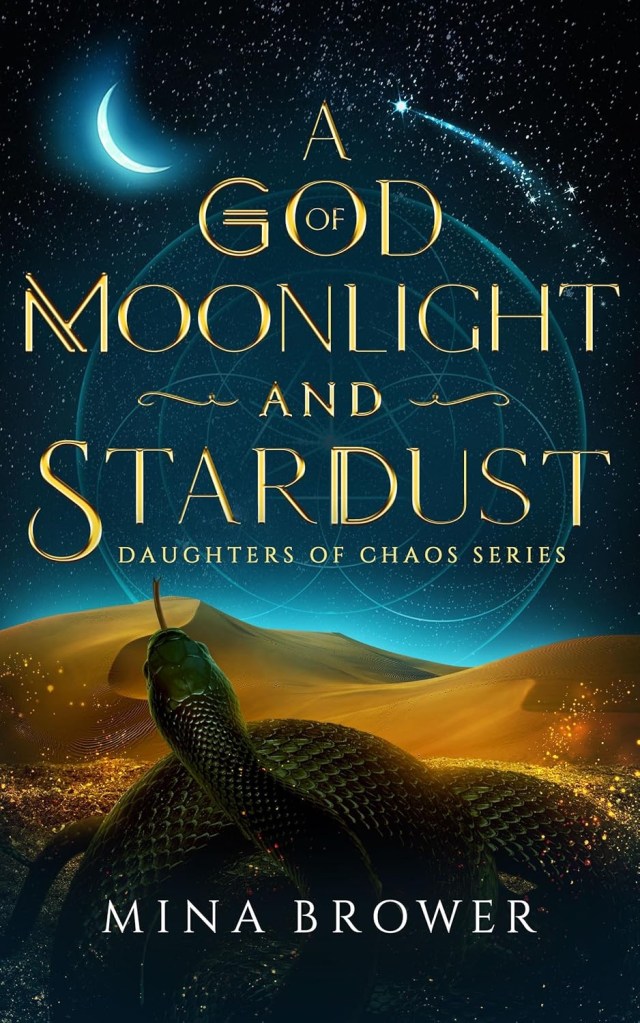
I had the pleasure of working on this book as the proofreader, but never has a book felt less like work than this one!

Blurb:

A single woman stands between order and chaos.

She will determine the fate of Taria.

An anomaly in the world that values the future over the ways of old, Renna is in great danger.

Possessing unexplained—and forbidden—magic, she now attracts unwanted, dangerous attention.

Amidst the chaos, there are two who desire her safety.

Khellios mourned her, living with guilt for the last two millennia. The God of Moon and Stars, he offers her a sanctuary in Taria, trying to rekindle the flame between them.

Sethos, a fae with unusual magic, has been guiding Renna from afar, drawing her nearer and keeping her safe. He now visits within her dreams.

Conflicted by her desires, Renna is pulled between the men who are willing to fight for her. But when a deadly force breaches the sanctuary and threatens to destroy Taria, she is faced with an impossible choice.

Embrace the life she’s wanted without magic with Khellios’s help, or accept her destiny as a daughter of chaos at Sethos’s side.

This book had everything I could want, and I’m already harassing Mina for the next book! I cannot wait to see what happens in Renna’s story!

Pre-order here!

General Bookish

I did something today

So I did something huge today. I published an episode on Kindle Vella. It’s my first time publishing something I’ve written in the fiction realm. While I don’t think anyone will actually read it because I’m anxious about marketing it and it being me as the author and people knowing that, I am proud of myself for finally doing it.

Shoot, maybe I’ll finally finish the thing too!

However, if anyone is interested, you can find it for free here!

Here’s our cover for it!

General Bookish, Sunday Spotlight

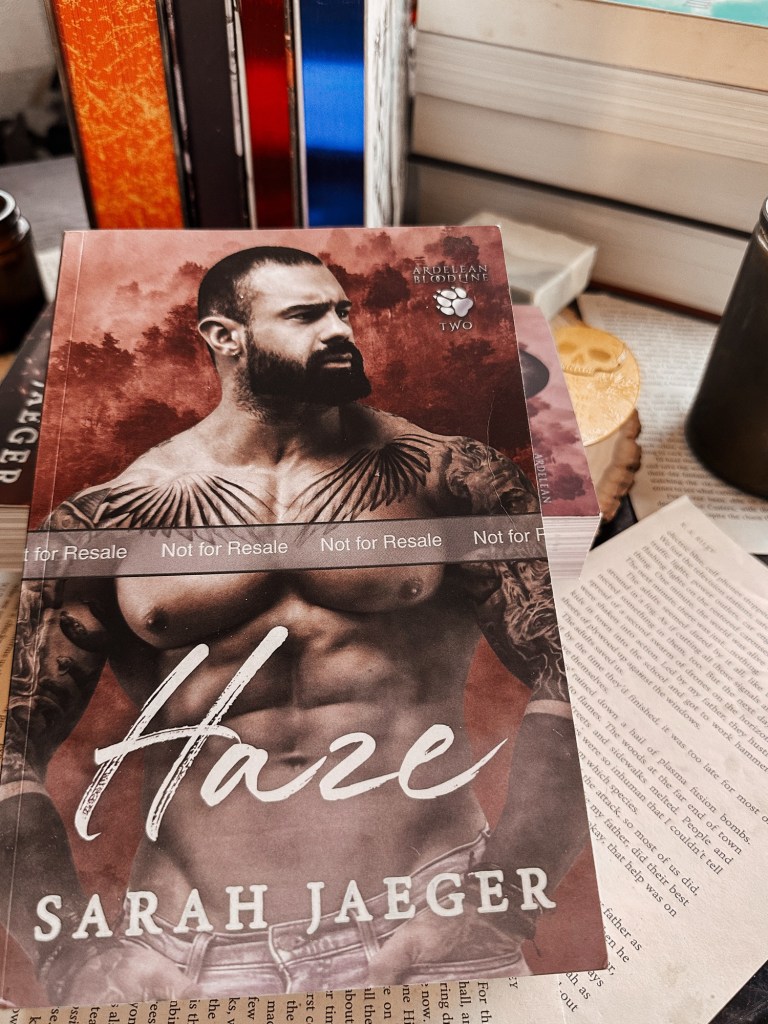
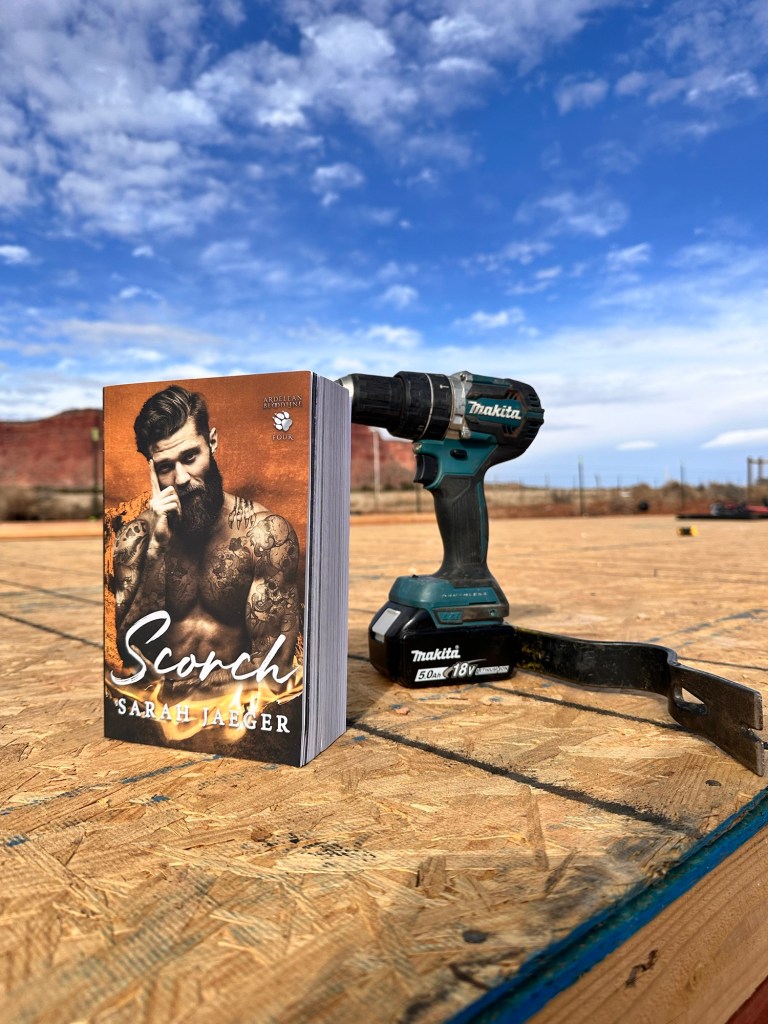
Sunday Spotlight: The Ardelean Bloodline – Sarah Jaeger

We’re starting something new today. I’m going to feature a different indie author every Sunday, in addition to reviews, ARC reads, and y’know, just general posts about indies.

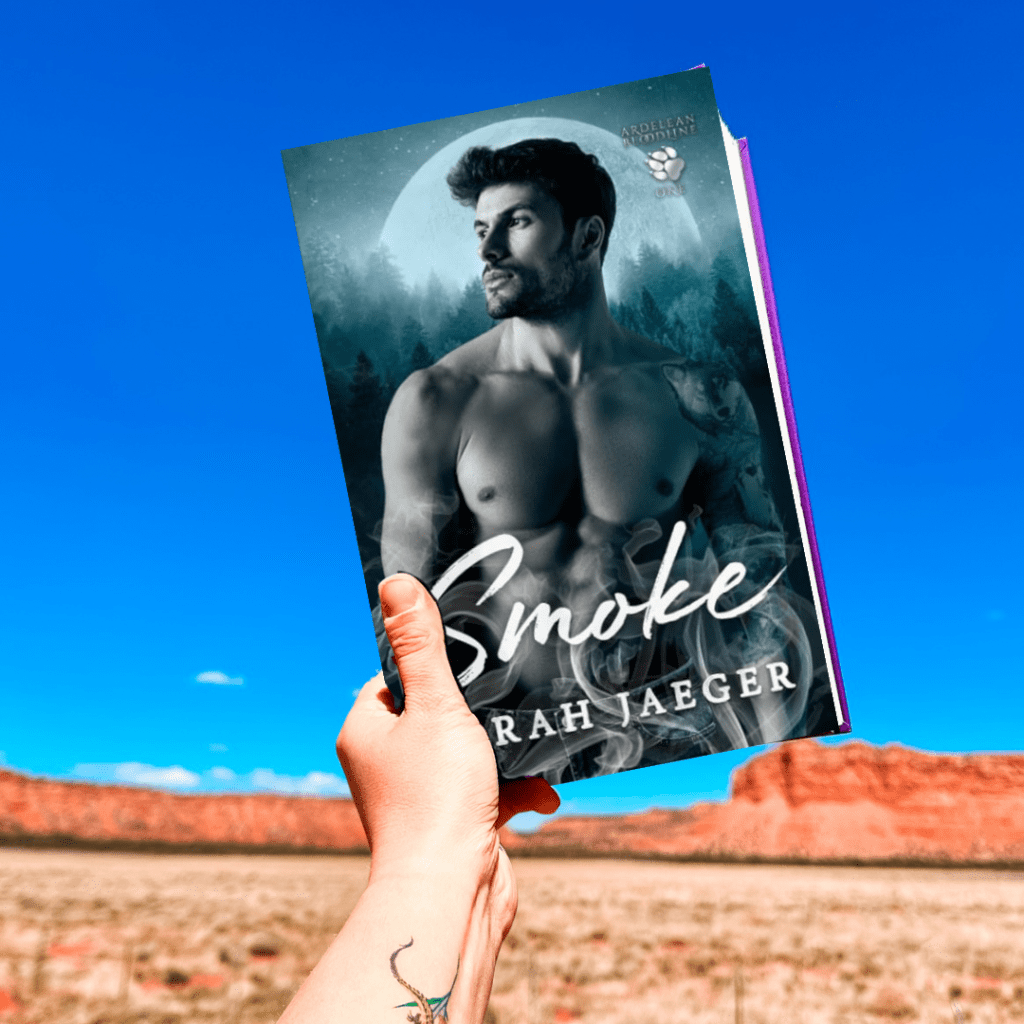
Today, we’re focusing on an indie that I actually stumbled upon right before releasing her debut novel, Smoke. I signed up for her ARC team on a whim, and I’m so glad I did because she’s become a dear friend of mine.

Smoke is a wolf shifter romance with bodyguard, politicians daughter, “she’s mine,” and star crossed lovers vibes. There’s also fated mates, some delicious hand necklaces, outdoor spice, plus size rep, and mental health—specifically, anxiety—rep.

Shifter romances are so hard to make seem not cheesy. It’s common for shifter romances to feel like the MCs are just going through the motions and don’t feel like they really have an option other than ending up together. Not the case here! I love the struggle between the characters as well as the outside world.

While I thought Cade was my end all be all of sexy, alpha wolves, Finn came barreling in the door in book 2 knocking that thought right out the window.

I mean….isn’t he just delectable.

Irish. Mobster. Alpha af. Caretaker.

Sign me tf up. These books are chunky. Jaeger doesn’t leave any world building out and does it so beautifully it all feels seamless with the real world. On top of that, each book’s politics build on the last so they don’t end up being ships passing in the night in terms of an interconnected series. Plus, we love a well-written woman in STEM.

Our third MMC in this series is near and dear to my heart….not only because he lives in my backyard basically, but because he is so perfectly flawed and troubled. I won’t give anything away about who he is, other than her dad’s best friend and deliciously alpha.

Sarah’s books are some you don’t want to miss.

They’re on Amazon here! You can also follow Sarah Jaeger on insta here!

Happy reading, fam!

Editing, General Bookish

You can’t edit a blank page…

I’ve been staring at a blank page for far too long trying to think of something to talk about today when I realized that I actually made a post on my Instagram about that this week.

Ironic, no?

My post feels a little on the nose after having sat here for who knows how long. I can’t even edit a blog post if there’s nothing there.

I think that’s something all of us creators need a reminder of every now and then. Your first draft doesn’t have to be perfect. It doesn’t even have to make sense. Just get the words out on the page. Get the ideas going because sometimes, once you get going, the words just keep going.

For me at least, staring at a blank page will breed self doubt and apathy toward my project, but once I get going, I find myself on a roll. Do I go back and edit out a good bit of what I’ve written or rewrite things and add others? Of course, but you can’t edit what isn’t there!

Just dump the words out

Throwing it back to middle school here. Do a mind dump. Just let the stream of consciousness take over the page. Don’t let anything tell you that it doesn’t belong on the page. Put it on there and go back later to make cuts and changes.

Set a timer

I find quick sprints to be really effective. When you’re dumping out the words or just trying to work on an idea, set a timer anywhere from 10 minutes to 30 minutes and just work. Put your phone on do not disturb, ignore that email notification that just came in, just let your brain focus on one task. Get your coffee or your snack before you set the timer so you’re not tempted to make a trip to the kitchen mid sprint.

Doodle

Okay hear me out, do you ever let your mind wander while you’re on the phone and somehow you have this great idea but then you don’t remember it? Start doodling so your brain is focused on that, but once your brain wanders and the idea strikes, open the word doc and work! Or just start making notes on your doodle paper!


What do you typically do when you’re staring at a blank page?

Cayla